 by
by Aniruddha Bose is a twenty-nine-year-old man, who works in advertising agency and lives in Calcutta. He takes a week’s leave from work and plans to drive to Dumka to visit his old friend Promode. His journey starts late because an old family friend comes to visit him. And also there is a character named Bhola Babu who asked him that Dumka is far away, shouldn’t you have arranged for a driver? But he said that he had been a cautious driver, so nothing to worry about.
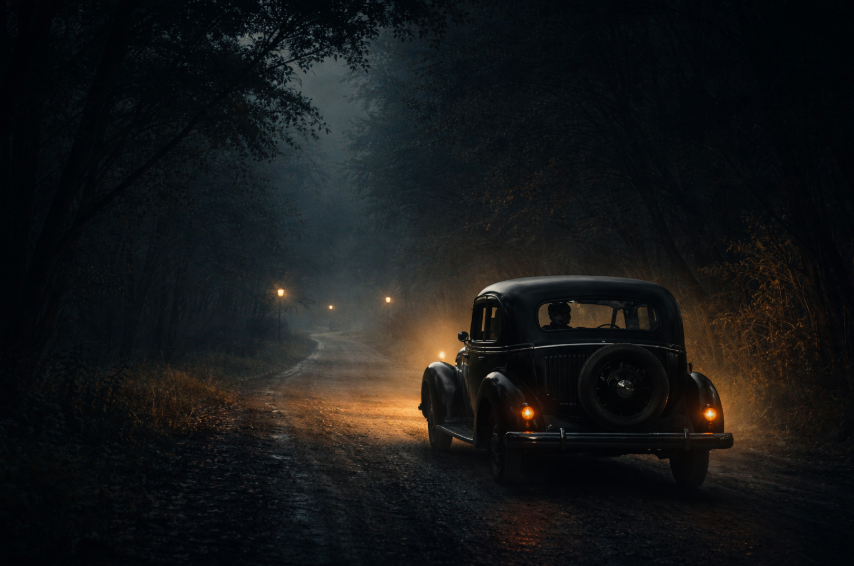
Finally, the journey starts. The whole description is given that which way he took, which road he travelled, and the places that he crossed. While driving through a lonely countryside, a sudden summer storm comes, norwester. Also called kalbaisakhi. There was heavy rain with strong winds. While waiting during the storm one of the tyres get punctured, and after a while another one got punctured. And since there was no spare tyres left and also he lost his way, Aniruddha gets stuck on a deserted road.
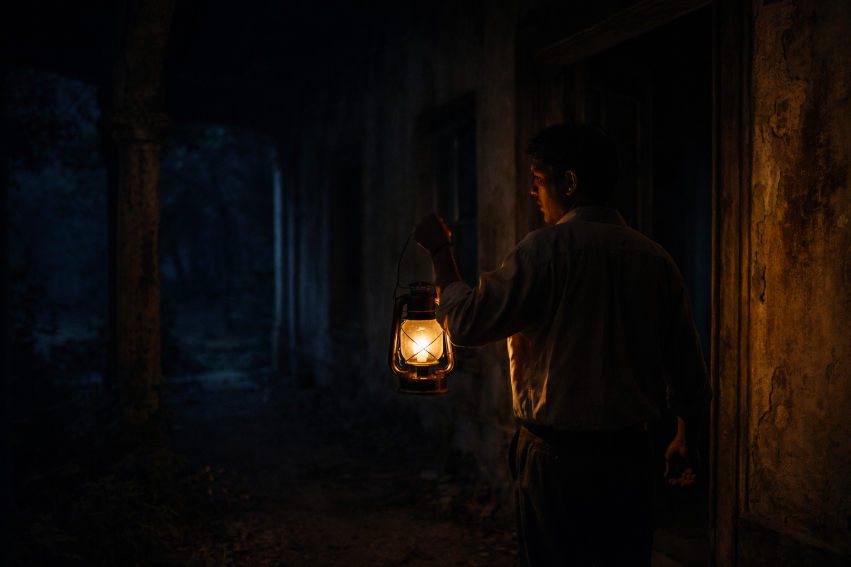
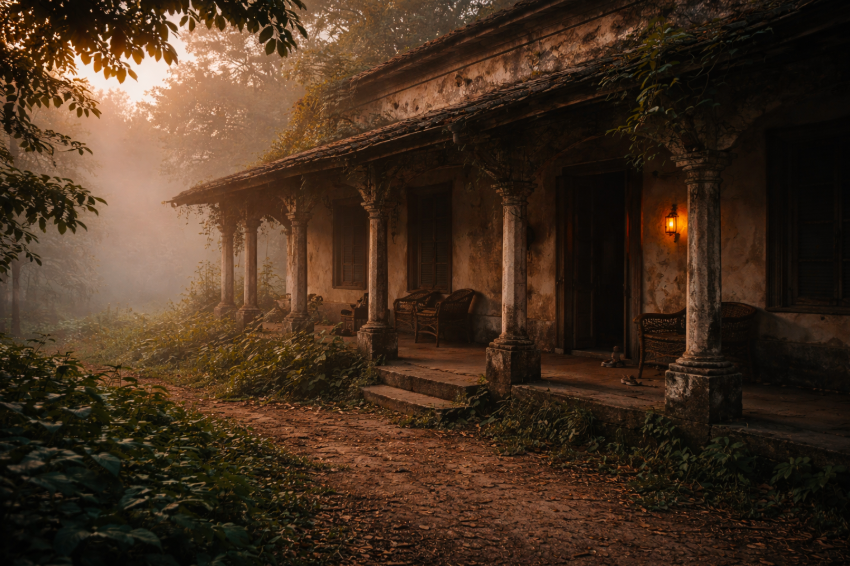
When the rain becomes lighter, he notices a faint light coming from a nearby cottage. Seeing the light he is confirmed that there must be someone living nearby. He left his car behind and followed a narrow path and met a man named Sukhanram, who is the caretaker of an old dak bungalow.
Sukhanram offers him simple food—chapatis and urad ki dal—and allows him to stay in the bungalow for the night. Aniruddha gets to know that the bungalow once belonged to a British indigo planter and that there used to be an indigo factory nearby. He feels relieved that he found shelter in such a deserted place. He goes to sleep while thinking about the past of the place.
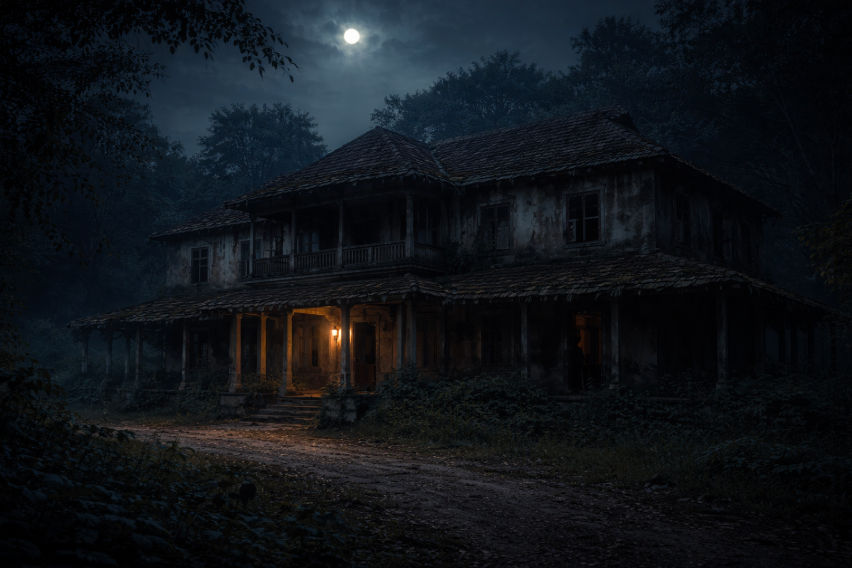
Late at night, Aniruddha wakes up after hearing a scratching noise and the barking of a dog. He soon realises that his wristwatch, torch, and suitcase are missing. He thinks that he had been robbed by someone. Then he notices something even more frightening—his clothes have changed, he had gone to bed wearing a vest, but now he was wearing a long-sleeved silk shirt, his skin looks pale, and his voice sounds English.
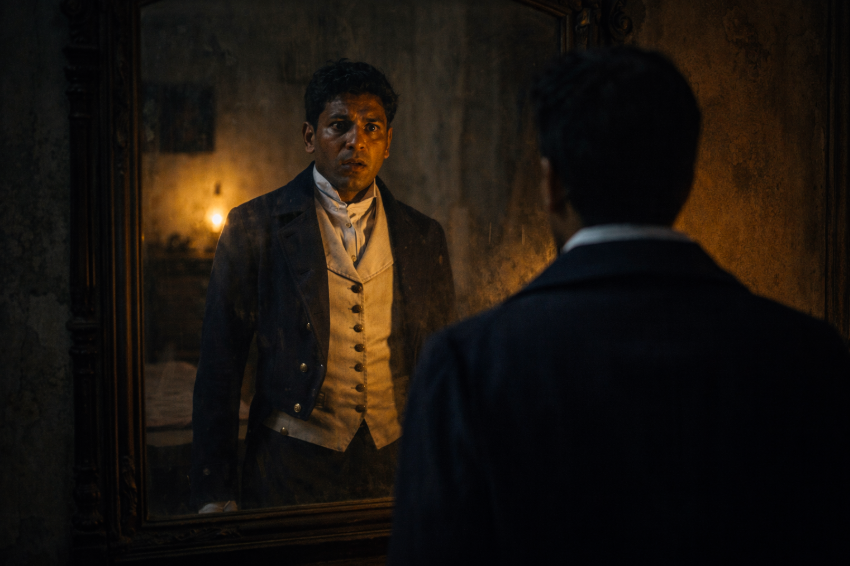
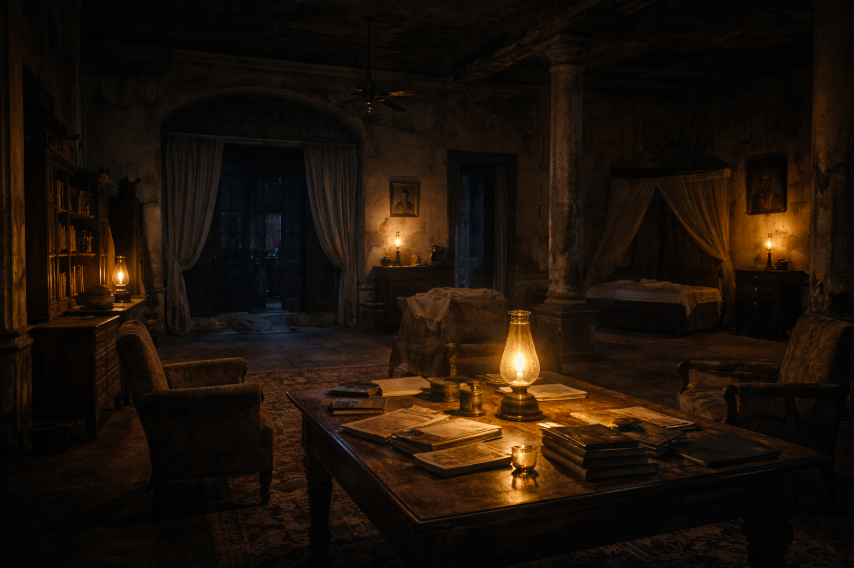
When he looks into a mirror, he is shocked to see the reflection of a young Englishman instead of himself. Everything in the room changed. The bed, the table, the light, and new things were visible. Also he noticed that he was wearing narrrow trousers with socks and there was a pair of black boots by the bed. He had turned into a 19th century Englishman.
Then he describes that how the Englishman looked, about the age of 30, looking aged than he actually was, may be due to some illness or hard work.
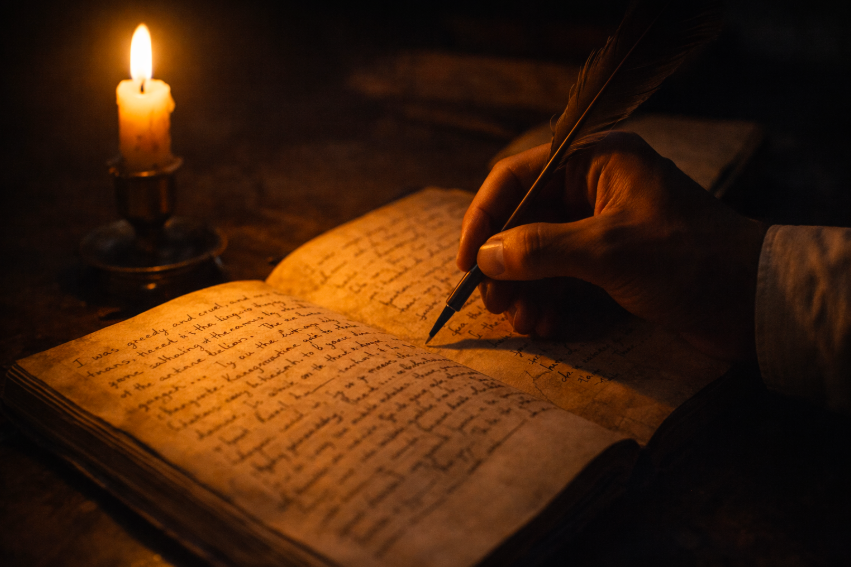
Without being able to control his actions, Aniruddha sits down and begins writing in a leather-bound diary. The diary entry is dated April 27, 1868. From the journal that he is writing, we get to know that he is now an English indigo planter who is seriously ill with malaria. In the diary, the planter admits that he was greedy and cruel to the local people and feels ashamed of his past. He is guilty, sad and toubled.
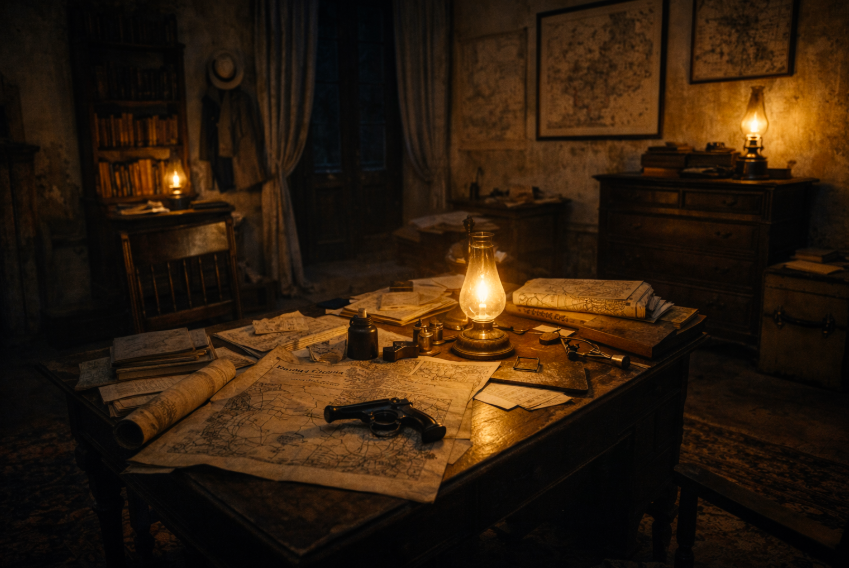
Okay, a bit of information about what happened in the 18th century related to the indigo plantation. Indian farmers were forced to grow indigo instead of food crops, and they were trapped in heavy debt, low payments, and very cruel treatment by British planters. In 1859, the farmers united and protested against this injustice, which exposed the cruelty of the system. Though indigo farming later declined, the fear and suffering it caused were never forgotten.
He believes he will die in India and be reunited with his wife Mary and son Toby, who have already died. He is most worried about his loyal dog, Rex. He writes that the people will not spare it after his death.
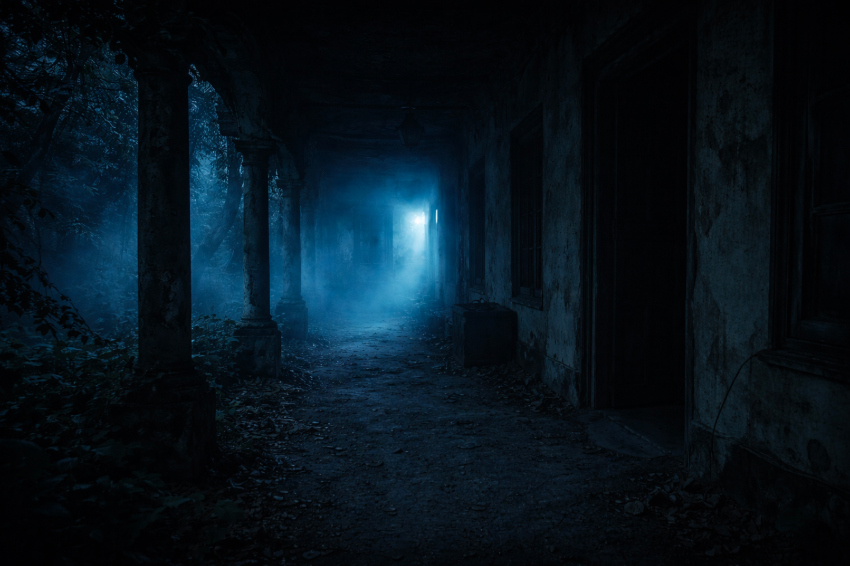
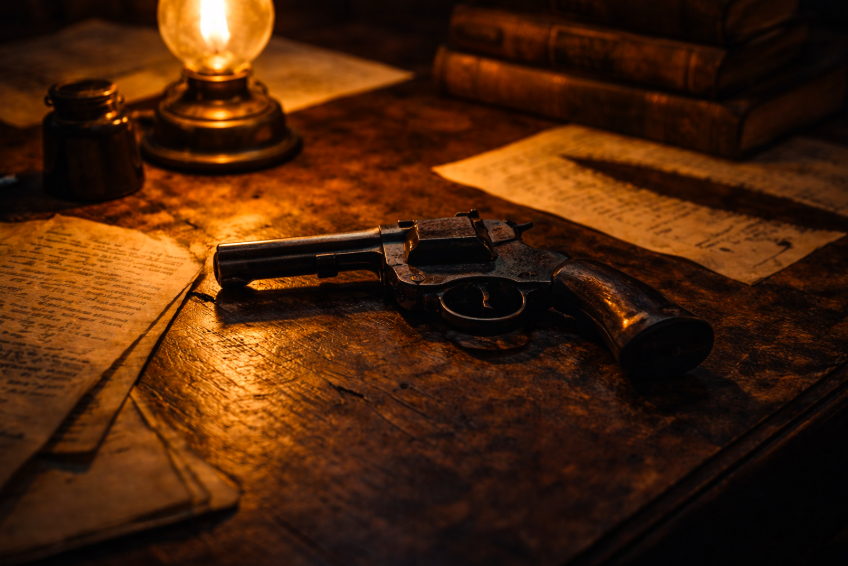
Suddenly, he stops writing, takes a pistol from a drawer, and walks out onto the veranda. There, he sees a large grey dog. Although Aniruddha watches in terror, his hand moves on its own and shoots the dog. Hearing noises from the direction of the factory, the Englishman goes back into the room, locks the door, and shoots himself.
Aniruddha then wakes up to the sound of knocking and Sukhanram calling him for tea. It is now the morning of April 28, 1968—exactly one hundred years after the death of the British indigo planter. Everything is back to normal. His watch is on his wrist, the sun is shining, and Sukhanram tells him that a repair shop is nearby. The strange experience has ended, but Aniruddha is left wondering whether anyone would ever believe the terrifying events he lived through during that night.
So the story shows how the cruelty of British indigo planters continues to haunt even today through guilt, change of identity, and supernatural experiences. It portrays that the sins of colonial exploitation can never be buried and they return to trouble the living.
Question Suggestion
A. Very Short Answer Questions (1–2 marks)
- Who is the narrator of the story?
- What is Aniruddha Bose’s profession?
- Where was Aniruddha travelling to?
- Why did his journey get delayed?
- What is a Kalbaisakhi?
- Why was Aniruddha stranded on the road?
- Who is Sukhanram?
- What kind of building is the dak bungalow?
- Who owned the bungalow in the past?
- What sound wakes Aniruddha during the night?
- Which objects go missing when Aniruddha wakes up?
- What change does Aniruddha notice in his voice?
- What does Aniruddha see when he looks into the mirror?
- What is the date written in the diary?
- What illness is the indigo planter suffering from?
- Who are Mary and Toby?
- What is the name of the dog?
- What object is used to kill the dog?
- On which date does Aniruddha wake up in the morning?
- Why is that date significant?
B. Short Answer Questions (5 marks)
- Describe the circumstances that force Aniruddha to stay in the dak bungalow.
- How does Sukhanram help Aniruddha?
- What information does Aniruddha learn about the history of the bungalow?
- Describe the changes Aniruddha notices after waking up at night.
- How does the mirror scene contribute to the horror of the story?
- What role does the diary play in the story?
- Why does the indigo planter feel guilty about his past?
- Explain the significance of the dog Rex in the story.
- Why is Aniruddha unable to control his actions during the transformation?
- How does the morning scene contrast with the night’s events?
C. Long Answer Questions (10 marks)
- Discuss The Indigo Terror as a story where the past haunts the present.
- How does Satyajit Ray use the supernatural to expose colonial cruelty?
- Analyse the theme of guilt and moral responsibility in the story.
- Describe Aniruddha Bose as a narrator and explain why he is suitable for this experience.
- Examine the significance of the dak bungalow as a setting.
- “The story is more psychological than supernatural.” Discuss.
- How does the transformation scene form the turning point of the story?
- Explain how history and memory play an important role in The Indigo Terror.
- Discuss the ending of the story and its impact on the reader.
- Why is the title The Indigo Terror appropriate?
D. Theme-Based Questions
- How does the story highlight the cruelty of colonial indigo planters?
- Explain the theme of identity and transformation.
- Discuss the theme of guilt and its consequences.
- How does the story show that history cannot be forgotten?
- Is The Indigo Terror a ghost story or a historical warning? Justify.
E. Character-Based Questions
- Describe Aniruddha Bose’s character before and after the incident.
- How does the indigo planter’s character emerge through the diary?
- Why is Sukhanram important to the story despite his brief role?
- What does Aniruddha represent in the larger context of history?
F. Setting-Based Questions
- Describe the dak bungalow and its atmosphere.
- How does isolation contribute to the mood of the story?
- Why is the indigo plantation background important?