 by
by Drama | Class 10 | ICSE Syllabus | Julius Caesar | Short Explanation
Context
Before this scene, there is tension in Rome. Why? Because Caesar’s just returned victorious and everyone’s cheering for him.
But then senators like Cassius and Brutus fear that he wants to be king.
They convince Brutus — who, as you know, is Caesar’s closest friend. So they convince him that killing him is the only way to save Rome’s freedom.
So, they plan the murder inside the Senate itself.
Summary of the Scene
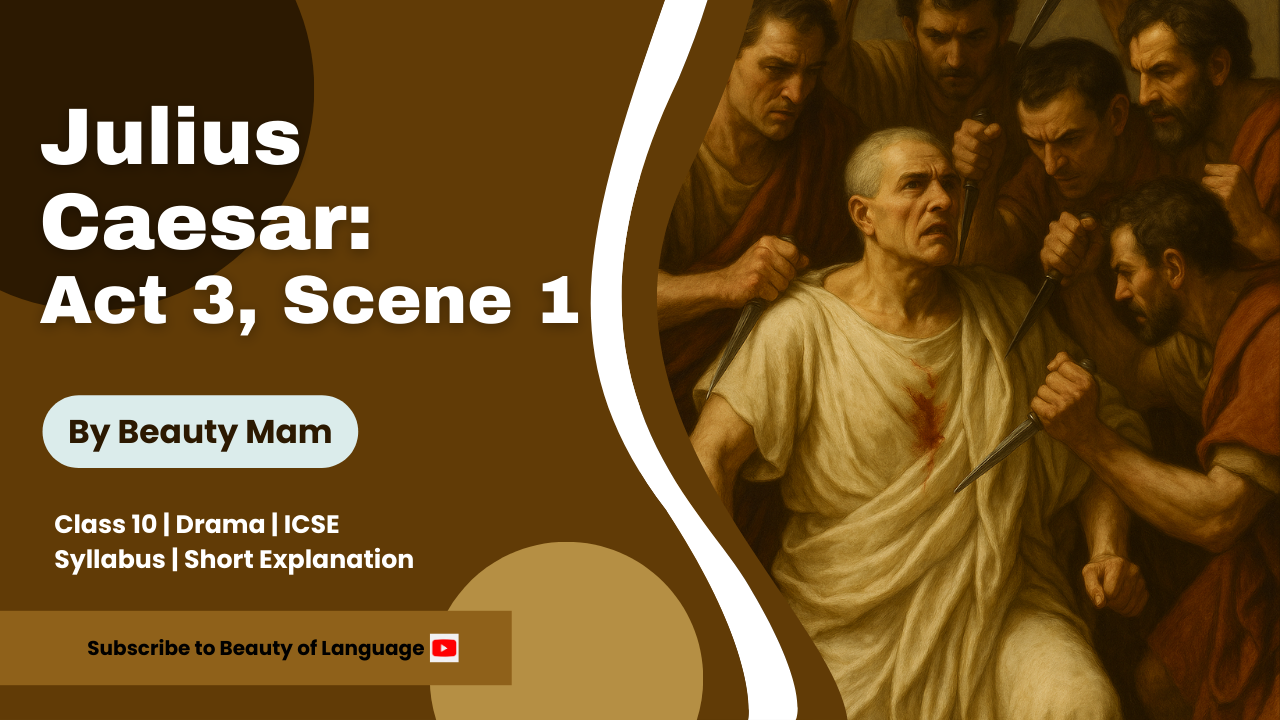
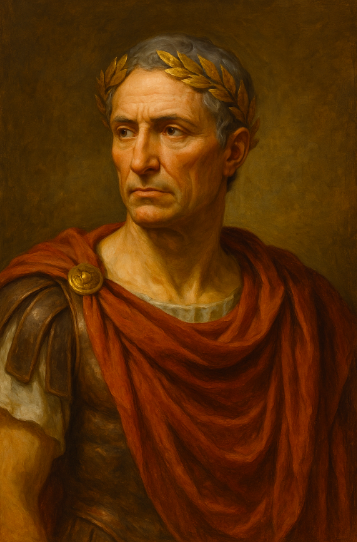
Caesar arrives at the Capitol, brushing off every warning, not paying attention to any warning that is given by the soothsayer, his wife Calpurnia, Artemidorus, and an Augur. Because Decius Brutus, one of the conspirators, flatters him and persuades him to go anyway.
One conspirator kneels. Who was that conspirator? He was Metellus Cimber, who was there just to create a distraction by presenting a petition to Caesar to nullify his brother’s banishment.
As Caesar proudly refuses, calling himself “as constant as the Northern Star,”
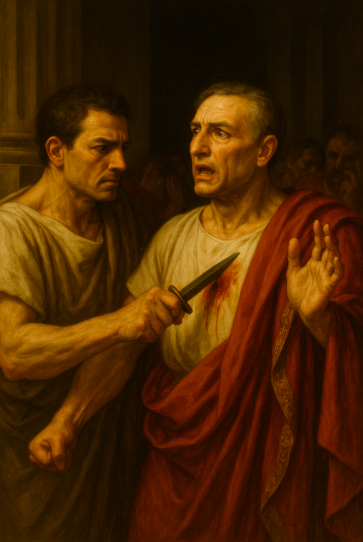
the conspirators close in — and stab him one by one.
And Brutus is the one to strike last.
When he strikes, Caesar looks at him in disbelief and says: “Et tu, Brute? which means you too, Caesar. Then fall, Caesar.”
THIS is both heartbreaking and iconic — betrayed by his dearest friend.
Aftermath
After stabbing Caesar, the assassins, they dip their hands in Caesar’s blood, claiming that they’ve freed Rome from the ambitious dictator, Julius Caesar.
Then Mark Antony walks in. At first, the conspirators fear that he’ll seek revenge, but Antony very cleverly hides his anger and analyzes the scene precisely. He shakes their bloody hands, pretending to make peace, and asks to speak at Caesar’s funeral. Cassius obects over this proposal. But Brutus agrees, thinking Antony’s words can’t harm them if Brutus speaks first.
When the conspirators exit, we get to know Antony’s true feelings and he vows to avenge Caesar’s death.
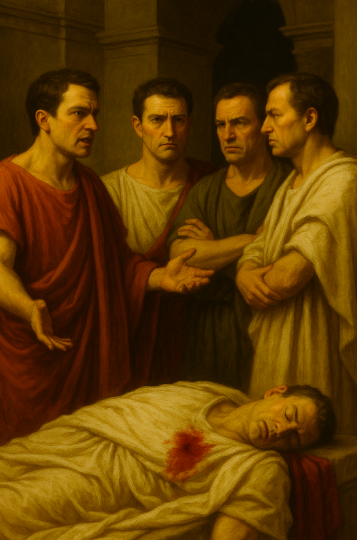
Caesar’s assassination in this scene marks the fall of a ruler, but also the moral downfall of the conspirators — especially Brutus, whose noble intentions now seem tragically misguided.
Antony’s calculated grief sets the stage for his powerful funeral oration in Act 3, Scene 2, where he turns the Roman crowd against Brutus and the others.