 by
by Drama | Class 10 | ICSE Syllabus | Julius Caesar | Short Explanation
Context: What happened just before
In Act 4, Scene 1, the key power-players in Rome (Mark Antony, Octavius Caesar, and Lepidus) meet and decide which of Caesar’s enemies must die. They make a list of names of all the conspirators. Also Octavius doesn’t like Lepidus much. But Antony favours him and ultimately Octavius agrees.
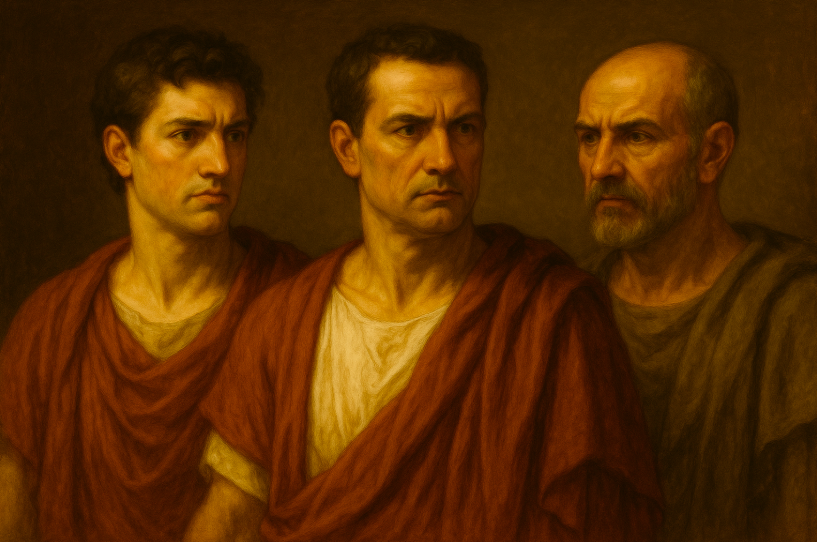
This sets the stage for Scene 2: the conspirators—Marcus Brutus and Cassius—are in their camp, preparing for battle and dealing with internal tensions.
Summary
- The scene takes place in a military camp near Sardis (where Brutus and Cassius are gathering their forces).
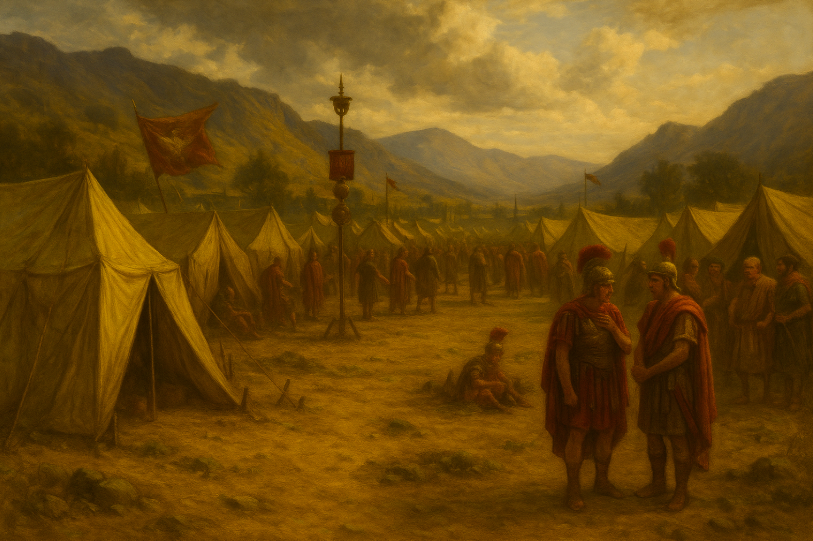
- Brutus meets with his officers (like Lucilius and Titinius) and asks how Cassius greeted them. They report that Cassius was polite but distant — the friendship isn’t what it used to be.
- Cassius arrives with his army and immediately accuses Brutus of doing wrong to him. Brutus responds that he would never wrong a “brother.”
- Brutus asks Cassius to move away from the view of the armies, so their soldiers don’t see them arguing. Then, inside his tent, they begin a heated argument: Cassius criticizes Brutus’s leadership; and Brutus accuses Cassius of corruption, taking bribes, and of losing the integrity for which they killed Caesar.
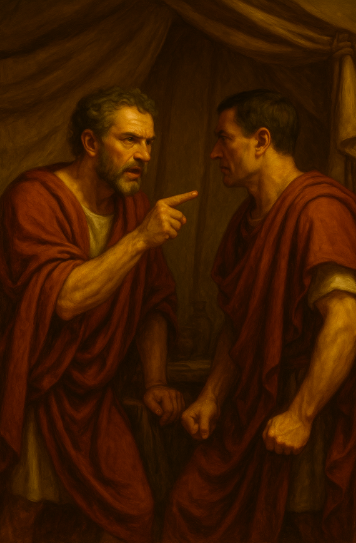
- The argument escalates emotionally, and Cassius even offers his dagger to Brutus. THIS is a dramatic sign of how far their friendship has fallen. Brutus refuses to use it and they eventually reconcile — share wine, and pledge friendship again.
- The scene ends with them turning their attention back to the upcoming battle. The unity is restored for now, but clearly shaken.
Why this scene matters
It foreshadows that internal conflict may be as dangerous as the external war they’re about to fight. The stage for tragedy is set.
It shows that even the “heroes” (Brutus & Cassius) are fracturing under pressure — their personal bond is weakening.
The main reason of their conspiracy- We killed Caesar for Rome’s good- is under threat — now they’re dealing with suspicion, blame, and personal grudges.