
 by
by Martin is a 12-year-old boy who moves with his father into a flat in an old building. The building has an old elevator. This elevator can carry only three people at a time. And Martin is scared of elevators because he feels they might fall or suddenly stop. The elevator also looks and feels creepy. The dim lights, dirty walls, a small space, and a loud, creaky door.
For a quick summary of the story, visit my channel Beauty Of Language.
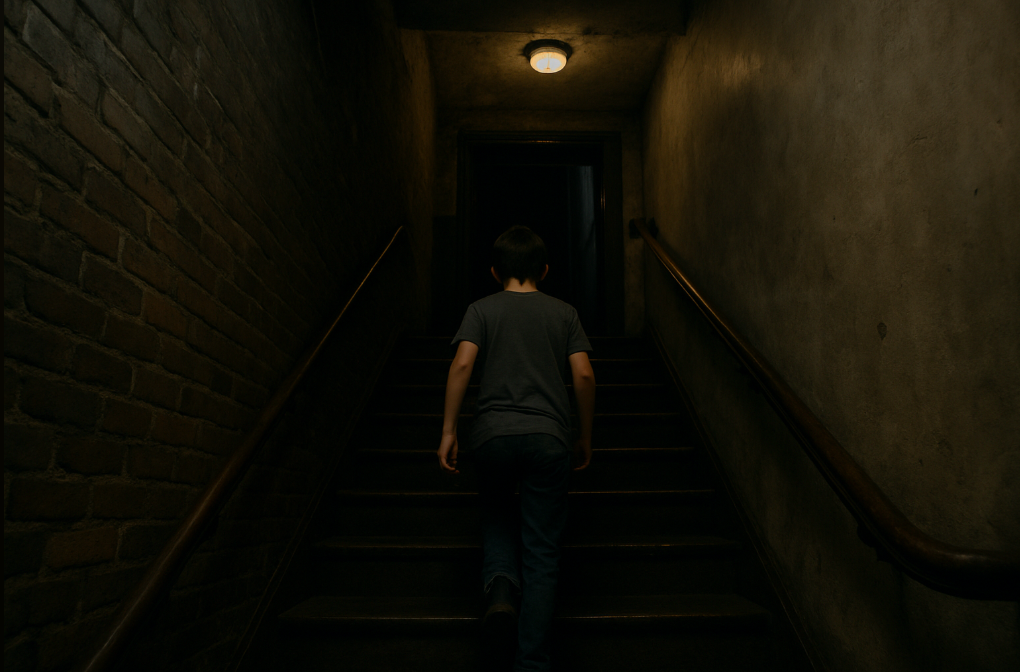
Martin could use the stairs, but they were worse: the staircase was dark, with no windows or lights. One day, when he climbed the stairs, the echo of his footsteps made him feel like someone was following him. By the time he reached his home on the 17th floor, he was gasping for breath.
His father asked him with a frowned face- why don’t you use the elevator? And the way he asked it sounded as if he was telling that you are not only skinny, weak, and bad at sports. But you are also a coward. So he started taking the elevator from the next day. He told himself that he would have to be used to it just as he is used to bullying at school. This line shows that Martin is bullied at school and has never said anything against it. Just made himself used to it.
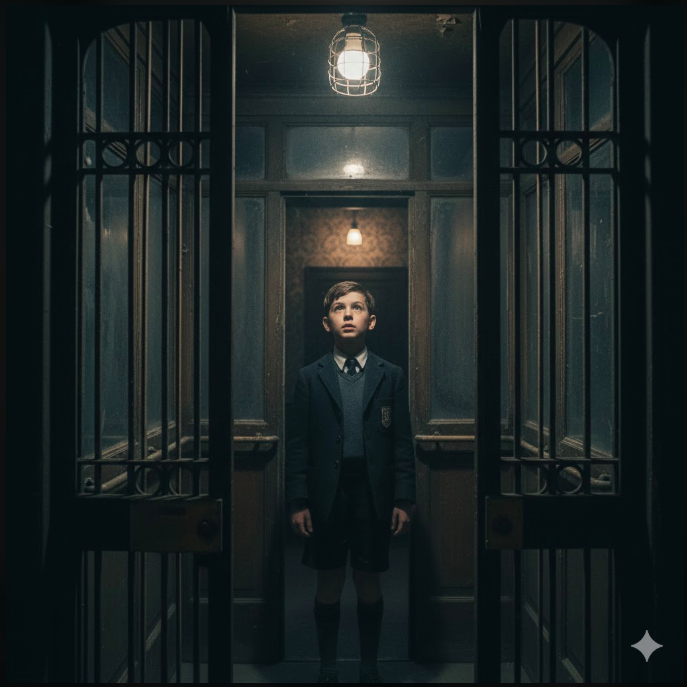
But Martin’s fear of elevators didn’t go away. When he used to be alone, he always worried that he would get trapped inside. When other people used to be inside, he felt uncomfortable standing so close to them. He didn’t like the way people try not to look at each other and stare into nothing.
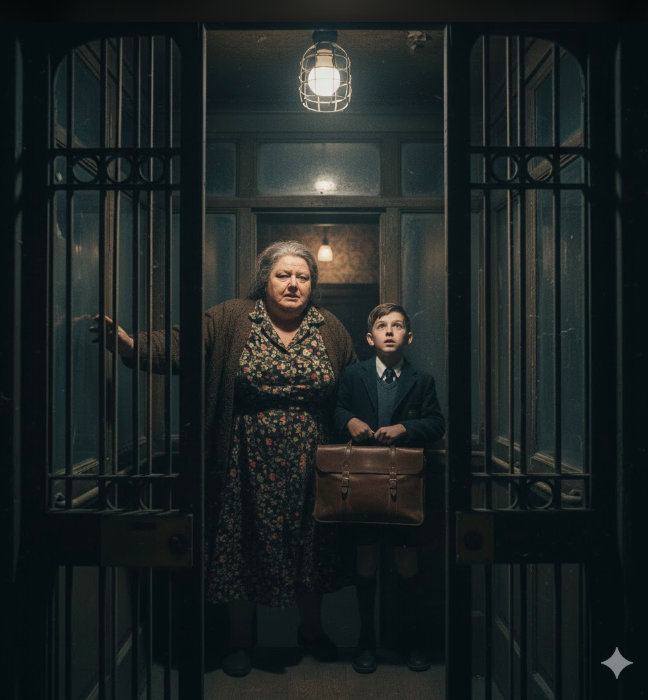
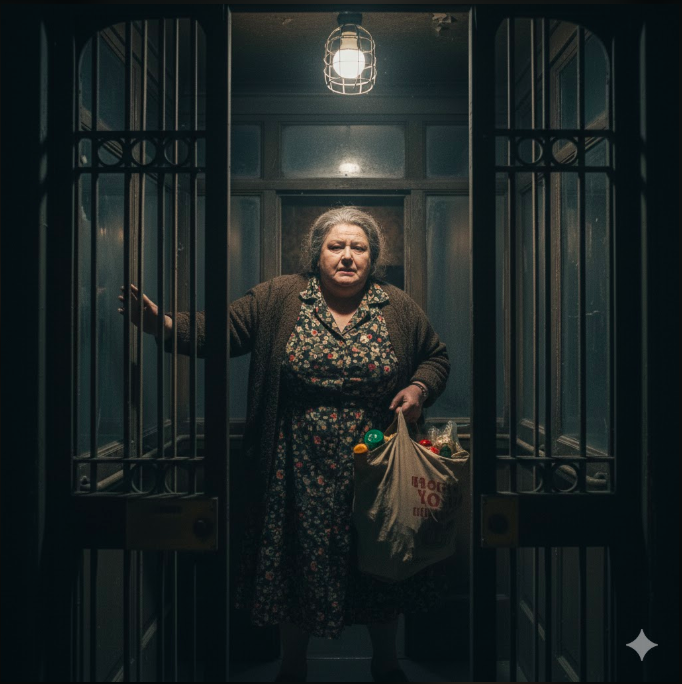
One day, while going down in the elevator, it stopped at the 14th floor, and a very fat old woman entered. She was wearing a green coat and had a not-so-friendly-looking face with small, sharp blue eyes. She was so big that Martin got squeezed into a corner. So instead of standing facing the gate, she turned and stared at him, continuously. Martin looked away, but she kept staring, and he couldn’t understand why. Martin wondered what she was going to do next.
And she actually did nothing, just stared at him, breathing loudly. When the elevator reached the ground floor, Martin waited for her to leave first, because obviously, there was no space for him to come out. Then, as soon as she left, he rushed out and ran all the way to school. He kept thinking about her and wondered if she lived in the building. If she were a resident, he feels he would have noticed her before. If she were a visitor, it seemed too early for her to be leaving at 7:30 in the morning.
After school, Martin felt nervous about using the elevator again, but he also felt embarrassed that he was scared of an old woman. He entered the elevator, hoping it would go straight up. But it stopped at the 3rd floor, the same green coat, the same piggish eyes, and the SAME woman. She entered again. Martin, in a shaky voice, told her that the elevator was going up. She nodded and pressed 18 (the top floor). As the elevator started going up, it shook, and the woman started staring at him again. Martin started analysing the movements that, earlier, she entered on the 14th floor, now on the 3rd, and she is going to the 18th. He wanted to get out on the seventh floor itself and then take the stairs, but he couldn’t reach the buttons without brushing against her, and he didn’t want to do that, so he stayed. When the doors opened, he squeezed past her to get out. Now he felt she knew he lived on the 17th floor.
Martin told his father about the strange woman. And asked if he had seen her. His father was watching TV and didn’t take it seriously. When Martin said that he met the woman twice and she stared at him both times, his father, instead of trying to understand the situation, scolded him and told him to stop being silly and “grow up” and act like a man. He said are you going to be this timid your whole life? Martin went to his room, cried quietly, and fell asleep. His father that he must have been crying anyway.
The next morning, Martin went to take the elevator again, and he saw that the woman was already inside, as if she was waiting for him. Martin froze in fear and stepped back. The woman smiled as the elevator doors closed.
Martin panicked and ran down the stairs, but it was already dark there, so he tripped, fell, and fractured his leg. His father was too irritated and didn’t speak much to him on the way to the hospital. And now he had to walk on crutches. So the option of going from the stairs was already eliminated. Martin though why did the lady smile? Did she know it was going to happen?
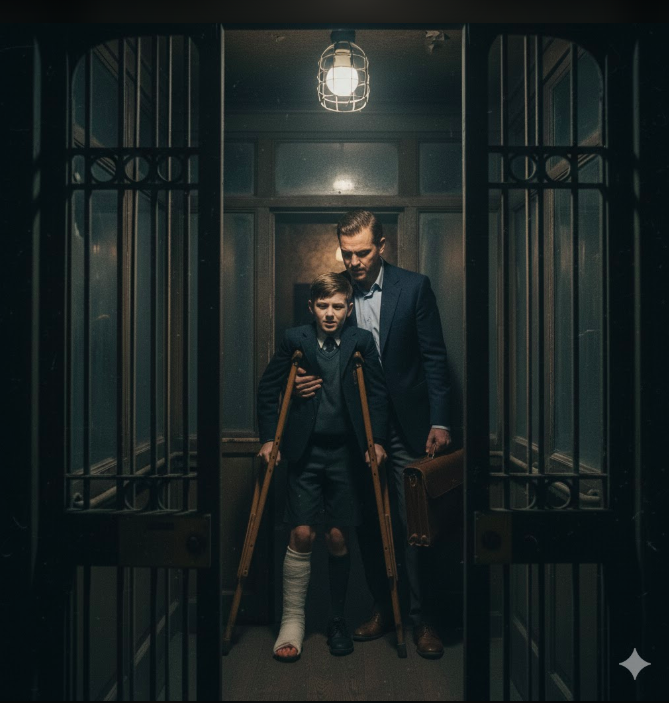
On the way back, Martin felt relieved because he thought he wouldn’t have to face the woman because he was with his father, and there would be no space for her. And even if she were there, then his father would also see her and understand him and finally believe him. And also, he would be resting for the next few days, so he felt safe.
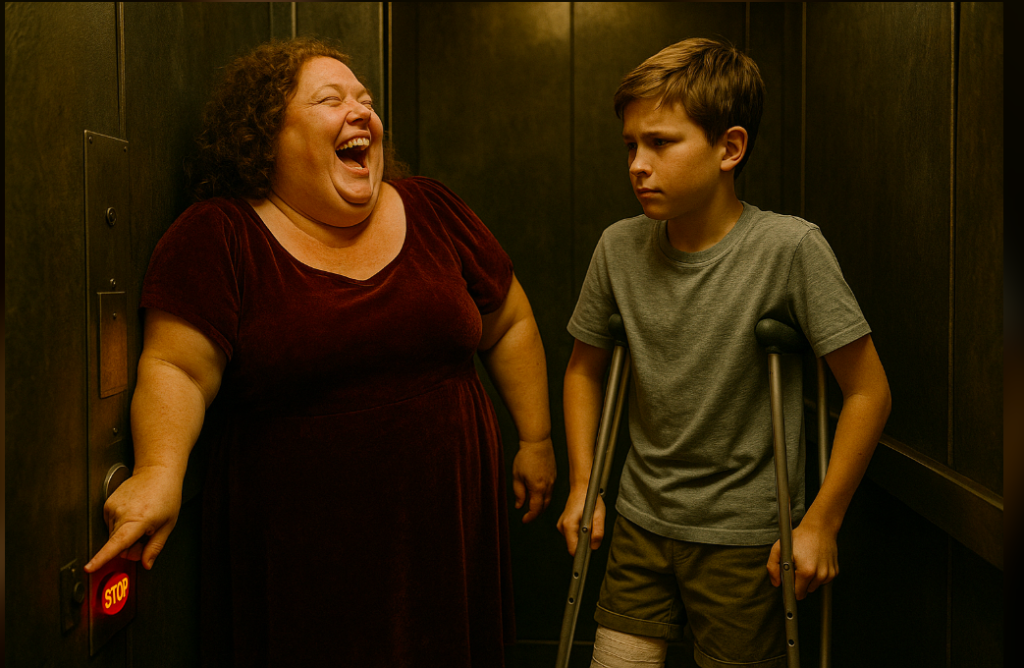
But his father got out at the 9th floor, saying he had to visit Mrs. Ullman. Martin asked him to stay, but his father refused and even there he scolded him again for being scared. Since he was on crutches, he couldn’t move quickly. So he couldn’t stop the elevator. The elevator stopped at the 10th floor, and the fat woman was waiting there. She entered, said “Hello Martin,” laughed, and pressed the STOP button. The story ended there, leaving the reader to imagine what happened next.
In “The Elevator,” the main themes are fear, anxiety, and feeling trapped. Martin’s fear keeps growing, especially because his father doesn’t take him seriously, so Martin feels alone and unsafe. The elevator becomes a symbol of how powerless he feels, like he has no control. The mysterious woman and the unclear ending make the story tense and scary.
Question Suggestions
A. Very short answer (1 mark)
- How old is Martin?
- What kind of building did Martin and his father move into?
- How many people could the elevator carry?
- Give any two reasons why Martin disliked this elevator.
- Why were the stairs “no better” than the elevator?
- On which floor did Martin live?
- What work did Martin’s father do (in terms of where he worked)?
- What fear did Martin have about elevators?
- What bothered Martin when other passengers were in the lift?
- At what time did Martin think it was too early for “visiting”?
- On which floor did the fat lady first enter the lift (first encounter)?
- What colour coat was the fat lady wearing?
- Describe the fat lady’s eyes in one phrase from the story.
- What was the only thing the fat lady did inside the elevator during the first encounter?
- Where did Martin run after getting out of the elevator?
- On which floor did the fat lady enter during the second encounter (after school)?
- Which floor button did the fat lady press the second time?
- Why couldn’t Martin press another floor button to escape?
- What question did Martin ask his father that evening?
- What was the father doing when Martin tried to talk?
B. Short answer (2 marks)
- Explain how the author makes the elevator seem frightening even before the fat lady appears.
- Describe Martin’s experience on the staircase and why it scared him.
- Why did Martin continue using the elevator even though he hated it?
- Describe the fat lady’s appearance and behaviour in the first elevator encounter.
- Why did Martin find the fat lady’s movements in the building “impossible” or “like a nightmare”?
- How did Martin react physically and mentally when the fat lady stared at him?
- Why did Martin hesitate to tell his father about the fat lady? What made him speak anyway?
- How did Martin’s father respond to Martin’s fear? Give details.
- Why was Martin relieved after breaking his leg, and why was that relief short-lived?
- What does the fat lady’s smile suggest after Martin backs away from the elevator?
C. Long answer
- “Fear grows when it is dismissed.” Discuss this statement with reference to Martin and his father.
- How does William Sleator build suspense in “The Elevator”? Explain with incidents and descriptions.
- Give a detailed character sketch of Martin (fears, behaviour, conflicts, changes).
- Give a detailed character sketch of Martin’s father and how his attitude affects Martin.
- “The ending is shocking yet open.” Explain why the ending is effective and what it makes the reader feel.
- Explore the theme of bullying and helplessness in the story (school bullying + elevator fear).
- Is the fat lady supernatural, or could there be a realistic explanation? Present both sides using evidence from the text.
- Discuss the role of the setting (old building, dark stairs, small lift) in shaping the mood of the story.
D. Theme/message questions
- What are the main themes of the story? Explain any two with incidents.
- How does the story show the difference between real fear and what others call “silly fear”?
- What does the story suggest about “growing up” and masculinity (as seen through the father’s words)?
- How does the story link Martin’s school life (bullying) to his elevator fear?
E. Plot & sequencing questions
- Narrate the two elevator encounters with the fat lady in correct order.
- Why does Martin suspect the woman may not be a normal resident/visitor?
- Explain why Martin could not escape when the elevator stopped at the tenth floor at the end.
- What is the significance of the father getting off at the ninth floor?
- What is the significance of the “Stop” button being pressed in the final scene?
F. Character & relationship questions
- How is Martin’s relationship with his father shown in the story?
- Why does Martin avoid crying in front of his father? What does it show about his father’s attitude?
- Compare Martin’s reaction to bullying at school and fear in the elevator.
- What details show Martin’s loneliness in dealing with fear?
G. Literary device/writing craft questions
- Identify and explain examples of imagery used to create fear and discomfort.
- How does the author use repetition (e.g., staring, doors slamming) to build tension?
- Explain how the small space of the elevator functions like a trap in the story.
- What is the effect of the story being told in third person but closely following Martin’s thoughts?
- Point out any two words/phrases that create a creepy tone and explain their impact.